Sheet Metal Laser Cutting Basics: 12 Essential Tips Every Engineer Should Know
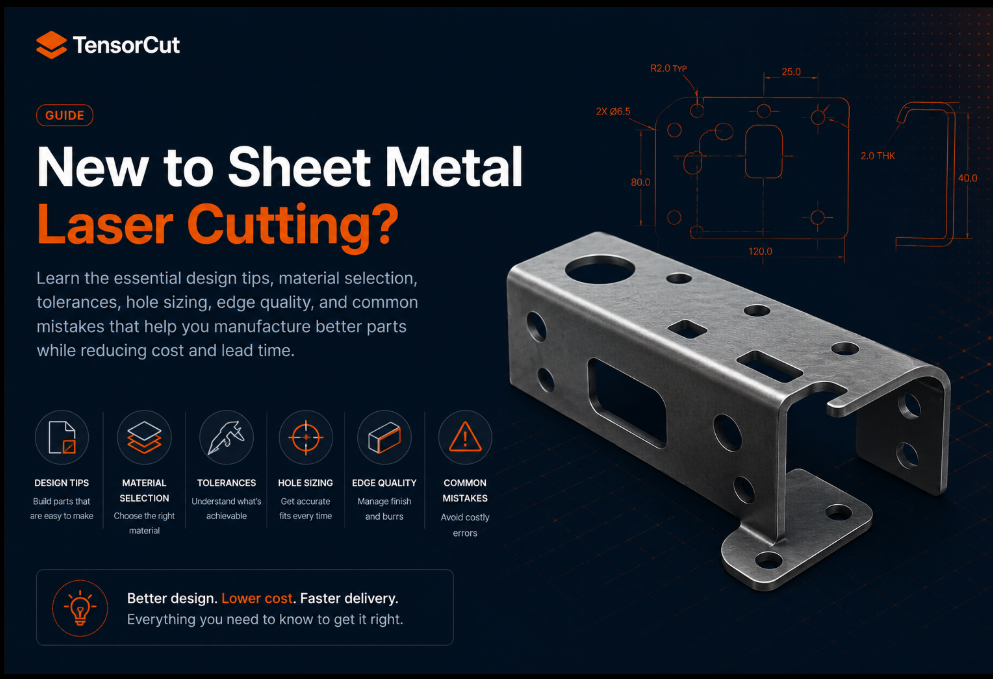
New to sheet metal laser cutting? Learn the essential design tips, material selection, tolerances, hole sizing, edge quality, and common mistakes that help you manufacture better parts while reducing cost and lead time.
Sheet Metal Laser Cutting Basics: 12 Essential Tips Every Engineer Should Know
Laser cutting has become the preferred manufacturing process for producing precise sheet metal components across industries such as automotive, aerospace, electronics, robotics, and industrial equipment. Its ability to produce complex geometries with exceptional accuracy and repeatability makes it ideal for both prototyping and production.
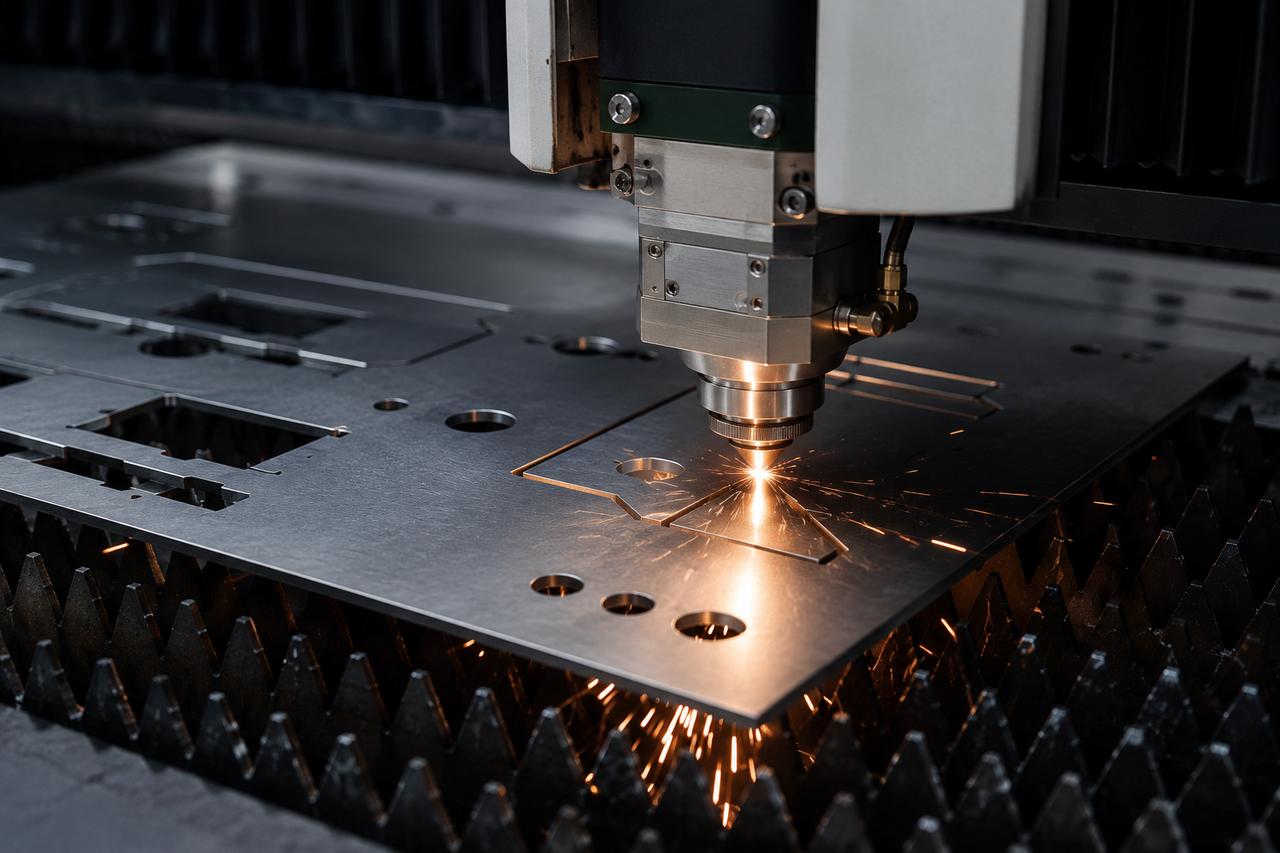
However, successful laser cutting isn't just about having a powerful machine. Good part quality starts with good design. Understanding how laser cutting works can help engineers reduce manufacturing costs, improve part quality, and avoid common production issues.
What is Laser Cutting?
Laser cutting is a thermal subtractive manufacturing process that uses a highly focused laser beam to melt or vaporize material while a high-pressure assist gas removes the molten metal from the cut.
Modern fiber laser machines can process:
- Mild Steel
- Stainless Steel
- Aluminum
- Copper
- Brass
- Galvanized Steel
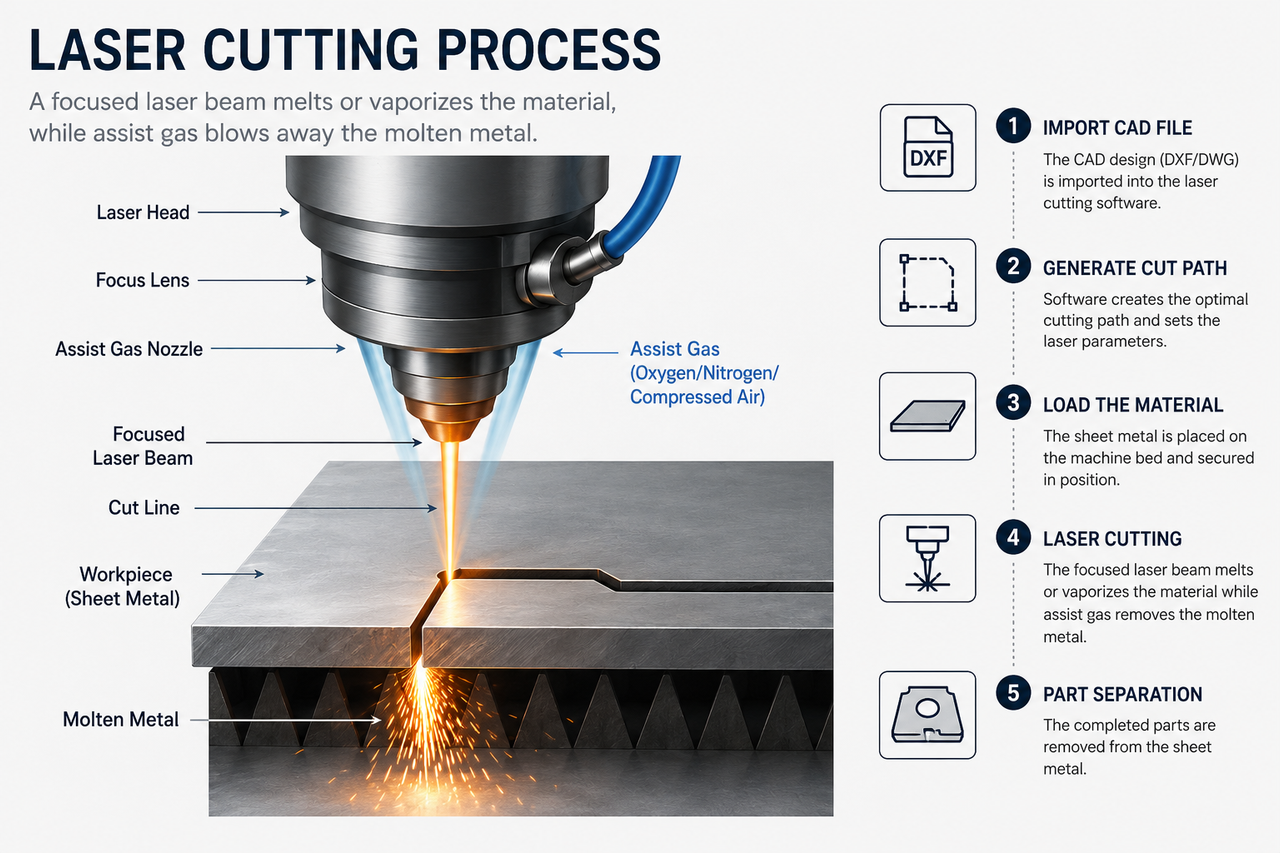
How Laser Cutting Works
- Upload CAD/DXF file
- Generate cutting paths
- Load sheet metal
- Laser melts the material
- Assist gas removes molten metal
- Finished parts are separated
Unlike conventional machining, the laser never physically contacts the workpiece, resulting in excellent repeatability and virtually no tool wear.
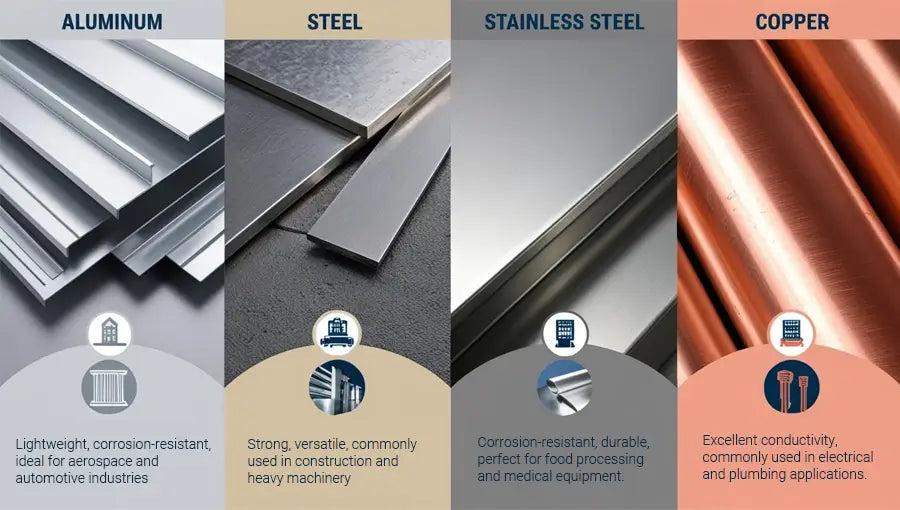
1. Choose the Right Material
Different materials respond differently to laser cutting due to differences in reflectivity, thermal conductivity, and melting temperature.
| Material | Advantages | Typical Applications |
|---|---|---|
| Mild Steel | Economical, easy to cut | Brackets, machine frames |
| Stainless Steel | Corrosion resistant | Medical, food processing |
| Aluminum | Lightweight | Electronics, aerospace |
| Copper | Excellent conductivity | Electrical components |
| Brass | Decorative and conductive | Instrumentation |
2. Understand Material Thickness
Material thickness directly affects cutting speed, kerf width, edge quality, and overall manufacturing cost.
| Material | Typical Laser Cutting Thickness |
|---|---|
| Mild Steel | Up to 30 mm |
| Stainless Steel | Up to 25 mm |
| Aluminum | Up to 20 mm |
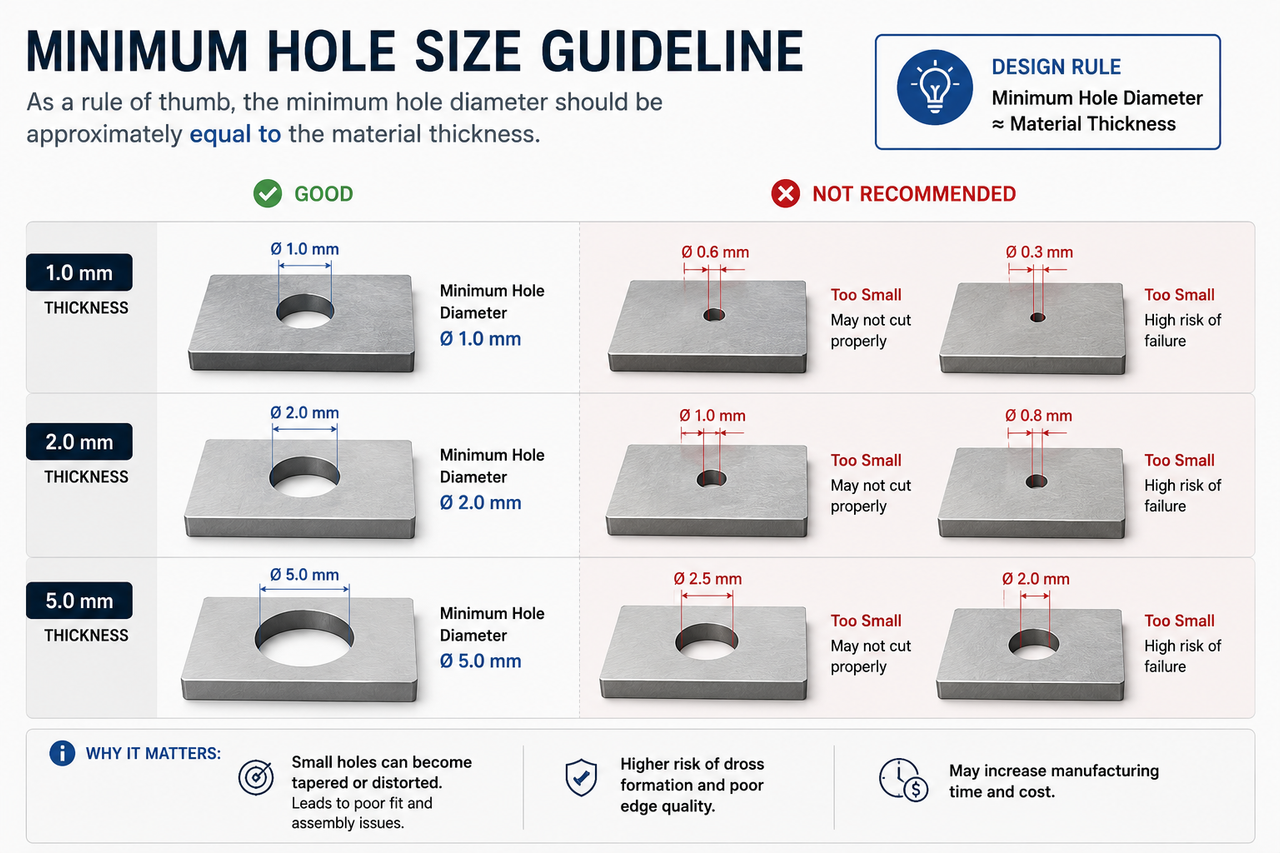
3. Avoid Small Holes
One of the most common mistakes is designing holes that are smaller than the sheet thickness.
Minimum Hole Diameter ≈ Material Thickness
- 1 mm sheet → 1 mm hole
- 2 mm sheet → 2 mm hole
- 5 mm sheet → 5 mm hole
4. Maintain Proper Feature Spacing
Features placed too close together create localized heat buildup, which can distort the material and reduce dimensional accuracy.
A good design guideline is:
Keep the distance between holes, slots, and edges at least 2× the material thickness.
5. Understand Kerf Width
Kerf is the width of material removed by the laser beam. Typical kerf values range from 0.10 mm to 0.30 mm.

Ignoring kerf can cause:
- Poor fitting assemblies
- Tight slots
- Loose tabs
- Dimension errors
6. Internal Corners Cannot Be Perfectly Sharp
Every laser has a finite beam diameter. Because of this, internal corners will always have a small radius.
Adding corner relief improves manufacturability and reduces stress concentration.

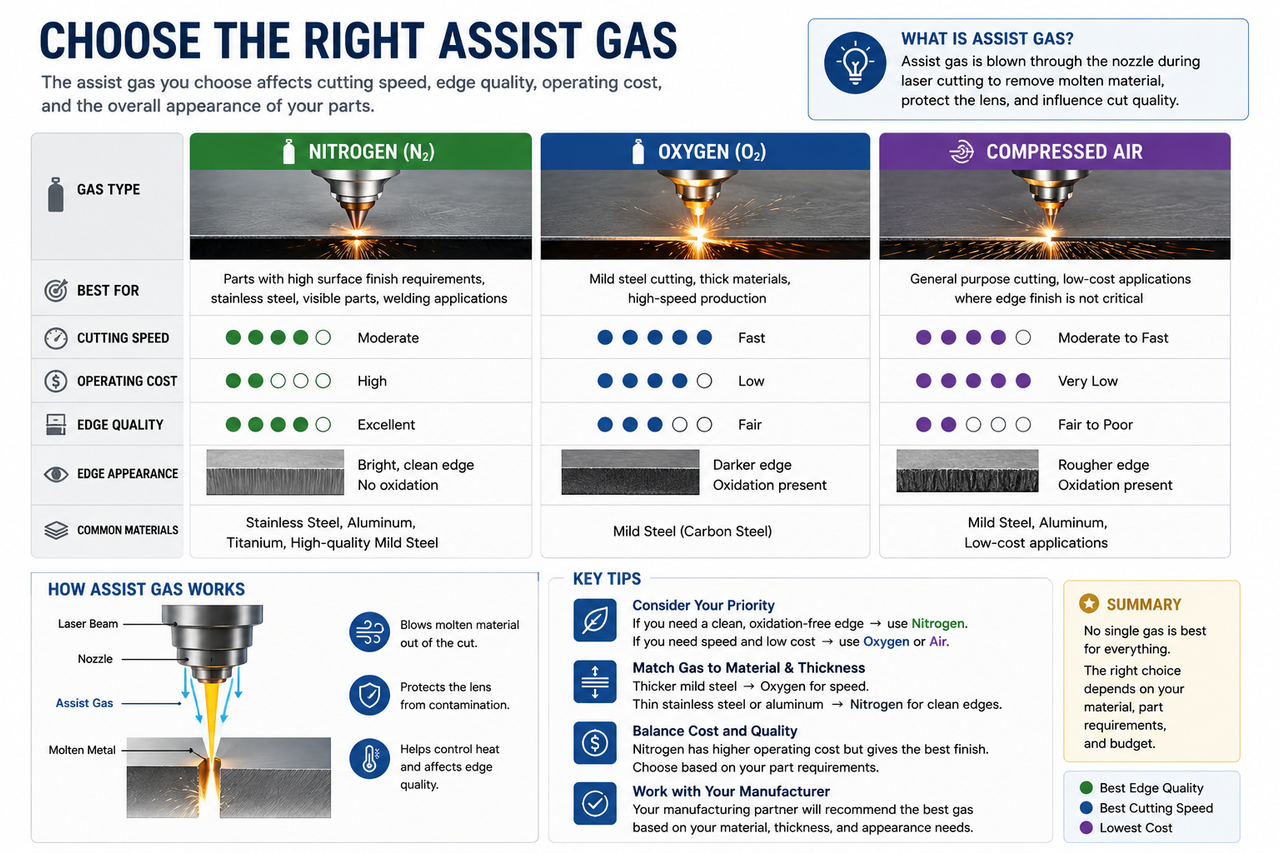
7. Choose the Right Assist Gas
| Gas | Benefits |
|---|---|
| Nitrogen | Clean edges, no oxidation |
| Oxygen | Faster cutting, lower operating cost |
| Compressed Air | Economical for general applications |
8. Don't Overcomplicate Geometry
Tiny slots, decorative cutouts, and excessive piercing increase machine time and manufacturing costs. Whenever possible, simplify your design without affecting functionality.
9. Understand Tolerances
Laser cutting offers excellent precision, but every manufacturing process has limitations.
| Feature | Typical Tolerance |
|---|---|
| General Dimensions | ±0.20 mm |
| Precision Features | ±0.10 mm |
10. Consider Downstream Manufacturing
Laser cutting is often only the first manufacturing process. Your part may also require:
- Press Brake Bending
- Welding
- Thread Tapping
- PEM Hardware Installation
- Powder Coating
- Anodizing

Common Design Mistakes
- ❌ Holes smaller than material thickness
- ❌ Sharp internal corners
- ❌ Tight tolerances everywhere
- ❌ Features too close together
- ❌ Ignoring kerf compensation
- ❌ Designing without considering bending or assembly
Final Thoughts
Laser cutting is one of the fastest and most accurate manufacturing processes available for sheet metal fabrication. By understanding the fundamentals of material selection, hole sizing, kerf width, tolerances, feature spacing, and downstream manufacturing, engineers can create designs that are easier to manufacture, more cost-effective, and production-ready.
Ready to Manufacture Your Parts?
TensorCut is building an intelligent online sheet metal manufacturing platform that connects engineers with trusted manufacturing partners. Upload your CAD files, receive fast quotations, and move from design to production with confidence.